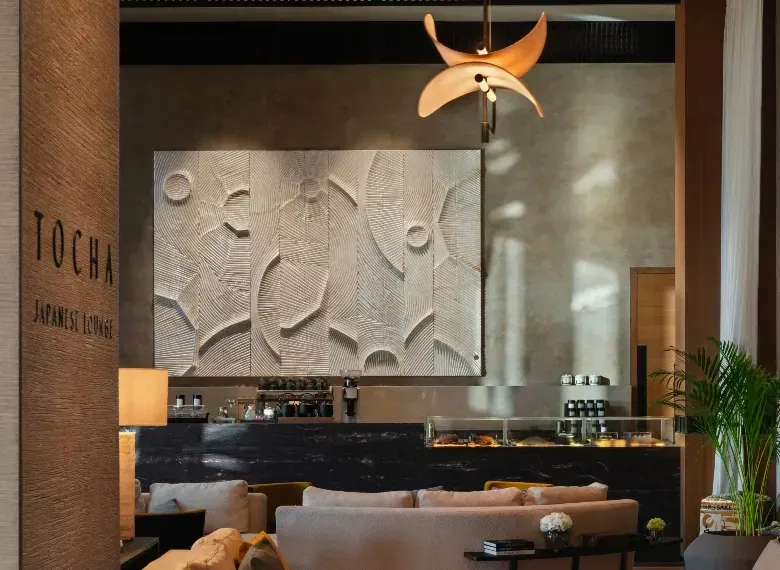
The lines between hospitality and culture are blurring. What once were simply places to eat and sleep have evolved into immersive cultural destinations where art, heritage, and culinary excellence converge to create experiences that transcend traditional service. In 2025, the most forward-thinking hotels and restaurants are no longer content to merely feed and accommodate guests — they’re curating environments that engage, inspire, and transform.
This cultural revolution in hospitality isn’t just about hanging a few paintings on walls. It represents a fundamental shift in how establishments view their role: from service providers to cultural stewards, from commercial spaces to community gathering places, from temporary accommodations to memorable destinations worthy of pilgrimage.

The Evolution of Hotels as Cultural Institutions
The concept of hotels as cultural spaces isn’t entirely new, but its current iteration represents an unprecedented sophistication. Historic Hotels Worldwide recently released their 2025 list of properties with the most magnificent art collections, recognizing establishments that function as “museums where guests can stay the night.” These hotels view their art collections as expressions of hospitality and community values, often supporting local heritage preservation efforts and artists.
From Decoration to Destination
Take the Rosewood Hong Kong, ranked №3 globally in the World’s 50 Best Hotels 2024. This skyscraper hotel features an exceptional art collection that complements its sophisticated interiors, including bronze sculptures by Thomas Houseago and Lynn Chadwick, and abstract canvases by Joe Bradley hung in the elevator lobby. The art isn’t an afterthought — it’s integral to the guest experience, creating what hospitality experts call “aesthetic intention.”
Similarly, The Ritz-Carlton Chicago underwent a $100 million renovation that transformed it into one of the city’s cultural centers. In the presidential suites, guests are surrounded by renowned artworks including Tseng Kwong Chi’s Andy Warhol, New York (1986) and editioned versions of René Magritte’s Le Fils de l’Homme. The hotel positions itself not just as luxury accommodation, but as a gateway to Chicago’s cultural landscape.
The trend extends beyond mega-hotels to boutique properties. Villa Copenhagen exemplifies this approach with its thoughtfully curated collection that spans from classical masterpieces to contemporary works, ensuring appeal to diverse artistic preferences. Each artwork has been thoughtfully placed throughout the hotel, adorning hallways, restaurants, and public spaces, creating a unique environment that engages guests in cultural dialogue.
The Artist Residency Model
Perhaps the most innovative development is the emergence of hotel artist residency programs. Il Pellicano in Italy, under the stewardship of the Sersale family, launched an artist program in 2016 curated by Silka Rittson-Thomas. The program invites contemporary artists to create site-specific works inspired by the hotel and its surroundings, including Martin Creed’s glowing neon piece “DON’T WORRY” that now lights up the hotel bar, and works by major artists such as Stanley Whitney and Rita Ackermann.
This model transforms hotels from static galleries into dynamic cultural platforms where art evolves and responds to place. For guests, it means staying in a living, breathing cultural ecosystem rather than a traditional hospitality setting.
Restaurants: The New Gallery Spaces
The restaurant world has embraced cultural curation with equal enthusiasm, recognizing that dining in the digital age demands more than exceptional food. Today’s discerning diners seek environments that feed both body and soul, spaces that tell stories and create Instagram-worthy moments backed by genuine cultural substance.
Historic Precedents, Modern Execution
Some restaurants have been cultural destinations for decades. Kronenhalle in Zurich has been serving guests since 1924, but it was in the 1940s when the owners befriended artists like Picasso, Matisse and Miró — collecting their work with the money they had and graciously accepting the occasional gift from their new friends. Today, diners can enjoy Marc Chagall, Georges Braque, and Robert Rauschenberg works alongside their meals.
La Colombe d’Or in the French Riviera follows a similar model. After opening in 1931, it became a refuge for artists drawn to the area during both World Wars, with regulars including Matisse, Picasso and Miró — all of whom left art on the walls. These establishments proved that restaurants could function as informal cultural salons, gathering places where art, food, and conversation intersected.
The Gallery-Restaurant Hybrid
Modern iterations of this concept have reached new levels of sophistication. In Manhattan, Le Chêne represents the cutting edge of restaurant-as-gallery spaces. Chef Alexia Duchêne serves haute French classics beneath Warhol’s Flowers while guests sip rare Grand Cru across from a Basquiat triptych, with all pieces available for purchase through the Van de Weghe gallery.
This model creates multiple revenue streams while offering diners the opportunity to literally take home a piece of their experience. As Duchêne notes, “The artwork definitely affects the energy in the room. People come for the food, but art and music really set the tone of an evening.”
London’s restaurant scene has embraced this trend with characteristic creativity. Sketch, with its decidedly pink interior, features 91 colorful works by award-winning artist David Shrigley, with tongue-in-cheek graphic prints ranging from portraits of cats to news bulletins proclaiming ‘Woman Spills Coffee.’ The restaurant demonstrates how art can be both serious and playful, sophisticated yet accessible.
Regional Cultural Expression
Restaurants are increasingly using art to express local identity and cultural heritage. Red Rooster Overtown in Miami showcases conversation-starting works curated by Derek Fleming and David Simkins that embody ‘the excellence in the African-American experience,’ featuring pieces from artists like Kara Walker, Derrick Adams, Elizabeth Catlett and Rashid Johnson.
This approach aligns with broader hospitality trends toward cultural authenticity. The Ascott Limited’s Unlimited Collection portfolio emphasizes cultural integration in operations, with each property’s design principles and amenities built to pay homage to local customs and showcase local artists and craftspeople.
The Experience Economy Impact
Enhanced Customer Engagement and Loyalty
The integration of art and culture into hospitality creates what researchers call “emotional equity” — deeper connections between guests and establishments that transcend transactional relationships. When hotels and restaurants function as cultural destinations, they transform from service providers into experience creators.
According to research by Expedia Group, 65 percent of travelers see sustainability as “supporting local cultures and communities.” This statistic reveals how cultural programming addresses multiple guest priorities simultaneously: entertainment, education, and ethical consumption.
Hotels with robust cultural programming report higher guest satisfaction scores and increased repeat visitation. When guests can explore museum-quality art collections, attend artist talks, or dine surrounded by carefully curated works, they’re more likely to view their stay as memorable rather than utilitarian.
Social Media and Cultural Capital
The rise of Instagram and TikTok has made visual appeal crucial for hospitality success, but the most successful establishments go beyond surface aesthetics to offer cultural substance. The rise of tastemaking hotels has driven a new era where every corridor, bar, and suite feels like a curated gallery space, paired with something deeper: a sense of place keeping with traditions and culture.
Cultural programming provides endless content opportunities while building brand differentiation. A guest might choose countless hotels for a comfortable bed, but they’ll specifically seek out establishments that offer unique cultural experiences unavailable elsewhere.
Economic Benefits for Local Communities
When hotels and restaurants function as cultural destinations, they create economic opportunities for local artists and cultural workers. Artist residency programs, rotating exhibitions, and permanent collections provide income and exposure for creators while enriching guest experiences.
This model also extends guest stays and increases spending in surrounding areas. When travelers view hotels and restaurants as cultural destinations worthy of exploration, they allocate more time and budget to cultural activities, benefiting entire creative ecosystems.
The Role of Professional Curation
Specialized Cultural Consultancies
As hotels and restaurants recognize the complexity of effective cultural programming, many turn to specialized consultancies for expertise. Organizations like Moon Above, operating across Paris, London, and Dubai, exemplify this emerging sector. Their approach to “art as a language of identity, power and legacy” reflects the sophistication required to create authentic cultural experiences rather than superficial decoration.
Professional curators bring several critical capabilities: deep knowledge of art markets, relationships with artists and galleries, understanding of cultural sensitivities, and expertise in spatial design. They can navigate the complex logistics of rotating exhibitions, manage relationships with lenders, and ensure that cultural programming aligns with brand identity and guest expectations.
Avoiding Cultural Pitfalls
The integration of art and culture into commercial spaces requires careful navigation of potential pitfalls. Establishments must avoid appropriation, ensure fair compensation for artists, and maintain respect for cultural traditions. Professional curators help establish authentic partnerships rather than extractive relationships.
They also provide ongoing management of collections, from conservation and insurance to interpretation and guest education. This infrastructure transforms random art displays into coherent cultural narratives that enhance rather than distract from the primary hospitality experience.
Global Perspectives: Regional Variations
European Sophistication
European establishments often leverage centuries of cultural heritage, integrating contemporary art with historic architecture and traditions. Properties like Parkhotel Laurin in Bolzano feature frescos by Bruno Goldschmitt in the Laurin Bar and curated sculptures throughout gardens and common areas, while each room boasts original artworks.
This approach reflects European comfort with blending historical and contemporary elements, creating layered experiences that speak to both cultural continuity and innovation.
Asian Innovation
Asian hospitality markets are pioneering technology-enhanced cultural experiences. Elite diners now experience AI-curated tasting menus that evolve based on real-time reactions and biometric data, with wearable technology monitoring responses to adjust flavors, textures, and portion sizes for bespoke experiences.
This technological sophistication extends to art presentation, with digital installations and interactive exhibits that respond to guest presence and preferences.
Middle Eastern Cultural Bridge-Building
Dubai and other Gulf destinations are positioning themselves as cultural bridges between East and West. The UAE’s growing market features institutional collections, foundations, and private collections that are curious, active, and engaging to work with.
Hotels and restaurants in these markets often showcase international artists alongside local talent, creating conversations between different cultural traditions while establishing new cultural narratives.
Future Trends and Innovations
Technology Integration
The future of cultural hospitality will likely integrate advanced technologies while maintaining human-centered experiences. Virtual and augmented reality could allow guests to explore artist studios, attend virtual exhibitions, or interact with artworks in new ways.
However, successful implementation will balance technological innovation with authentic cultural experiences. The most effective establishments will use technology to enhance rather than replace human connections to art and culture.
Sustainability and Social Responsibility
Travelers increasingly prioritize brands embracing purpose and doing good for both people and planet in destinations where they travel. Cultural programming will increasingly emphasize sustainable practices, social responsibility, and community benefit.
This might include partnerships with environmental artists, exhibitions addressing climate change, or programs supporting cultural preservation efforts. Hotels and restaurants will be expected to demonstrate how their cultural programming contributes to broader social good.
Hyperlocal Cultural Expression
Future cultural hospitality will likely emphasize hyperlocal expression — deeply specific cultural narratives that couldn’t exist anywhere else. Rather than generic “international” art, establishments will curate experiences that reflect immediate geographic, cultural, and social contexts.
This trend aligns with traveler desires for authentic experiences while creating competitive differentiation impossible to replicate.
Challenges and Considerations
Balancing Commerce and Culture
Successful cultural hospitality requires delicate balance between commercial objectives and cultural integrity. Establishments must ensure that cultural programming enhances rather than overwhelms primary hospitality functions.
This means careful consideration of scale, timing, and guest flow. Cultural elements should feel integrated rather than imposed, enriching the hospitality experience without creating confusion or distraction.
Investment and Maintenance
Cultural programming requires significant ongoing investment. Beyond initial acquisition or commission costs, establishments must budget for conservation, insurance, rotation, interpretation, and potential replacement of artworks.
They also need staff training to help guests engage with cultural elements appropriately and knowledgeably. This investment in human capital is crucial for transforming art displays into meaningful cultural experiences.
Risk Management
Art and cultural programming introduce various risks: theft, damage, controversy, and cultural sensitivity issues. Establishments need comprehensive policies and procedures to protect both cultural assets and brand reputation.
This includes careful vetting of artists and artworks, appropriate security measures, and staff training on cultural sensitivity and guest interaction protocols.
Conclusion: The Cultural Hospitality Revolution
The transformation of hotels and restaurants into cultural destinations represents more than a trend — it’s a fundamental reimagining of hospitality’s role in contemporary life. As travelers increasingly seek meaningful experiences and emotional connections, establishments that successfully integrate authentic cultural programming will enjoy significant competitive advantages.
This evolution benefits all stakeholders: guests gain access to enriching cultural experiences in comfortable, accessible settings; artists and cultural workers find new platforms and revenue streams; local communities see increased cultural investment and tourism; and establishments differentiate themselves while building deeper guest relationships.
The most successful cultural hospitality operations recognize that this transformation requires professional expertise, ongoing investment, and genuine commitment to cultural stewardship. It’s not enough to hang art on walls — true cultural destinations create environments where art, food, service, and space work together to create experiences that guests remember long after checkout.
As we look toward the future, the integration of culture into hospitality will likely deepen and become more sophisticated. The establishments that master this integration today are positioning themselves as leaders in hospitality’s next evolution, where the question isn’t just “where will you stay?” but “what will you discover?”
The new hospitality doesn’t just serve guests — it transforms them, one cultural encounter at a time.
The cultural transformation of hospitality represents unprecedented opportunities for establishments willing to invest in authentic programming and professional curation. Success requires treating culture not as decoration but as integral to the guest experience, creating spaces where commerce and creativity enhance rather than compete with each other.