Dubai is undergoing a cultural transformation that extends far beyond its iconic skyline. As the emirate positions itself to become the art capital of tomorrow, a sophisticated ecosystem of museums, galleries, collectors, and cultural initiatives is emerging that offers unprecedented opportunities for brands seeking authentic integration into one of the world’s most dynamic markets.
This cultural evolution isn’t merely about prestige — it’s a strategic component of Dubai’s Vision 2030, designed to diversify the economy and establish the emirate as a global hub for creativity, innovation, and cultural exchange. For brands, this represents more than a marketing opportunity; it’s a chance to participate in building the cultural narrative of a city that bridges East and West, tradition and innovation.
The Vision Takes Shape: DUMA — A Floating Cultural Landmark
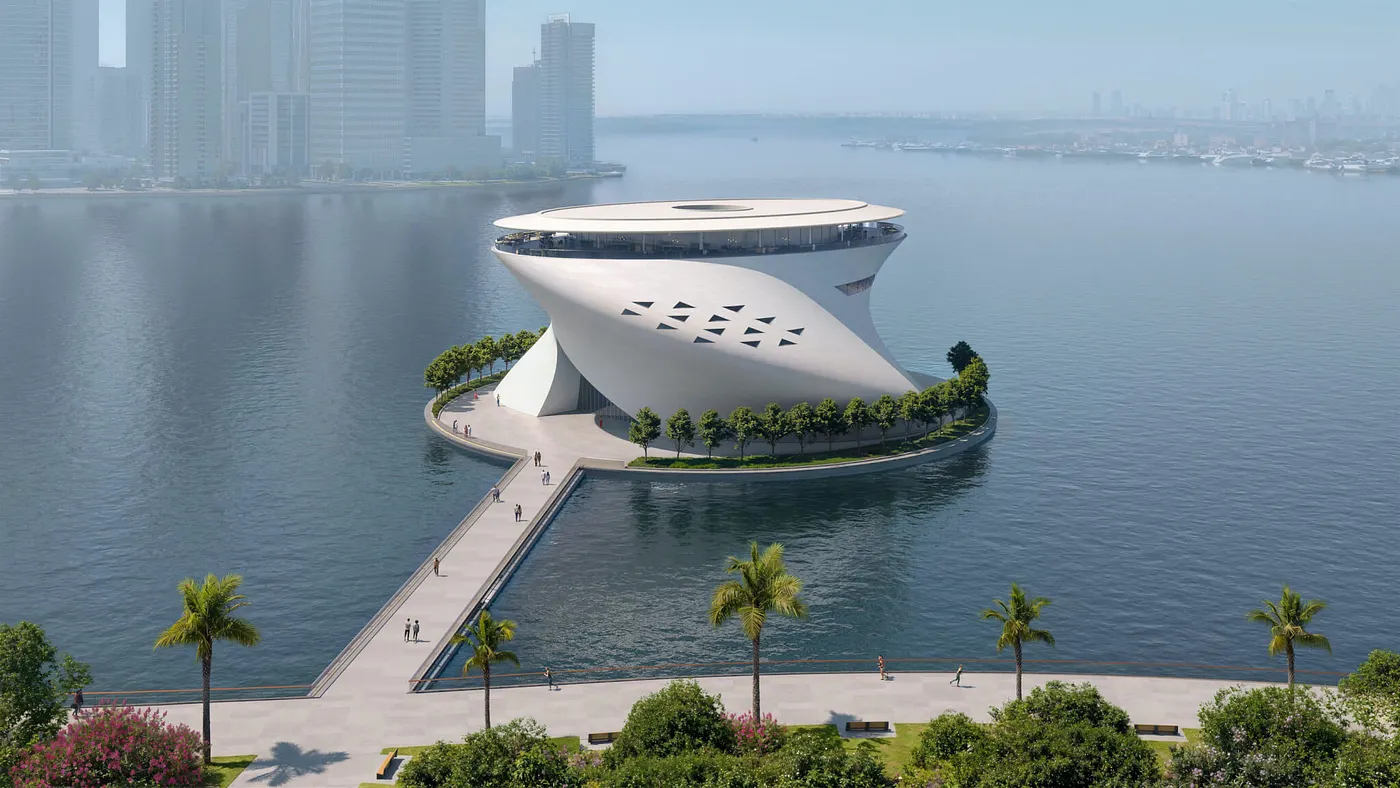
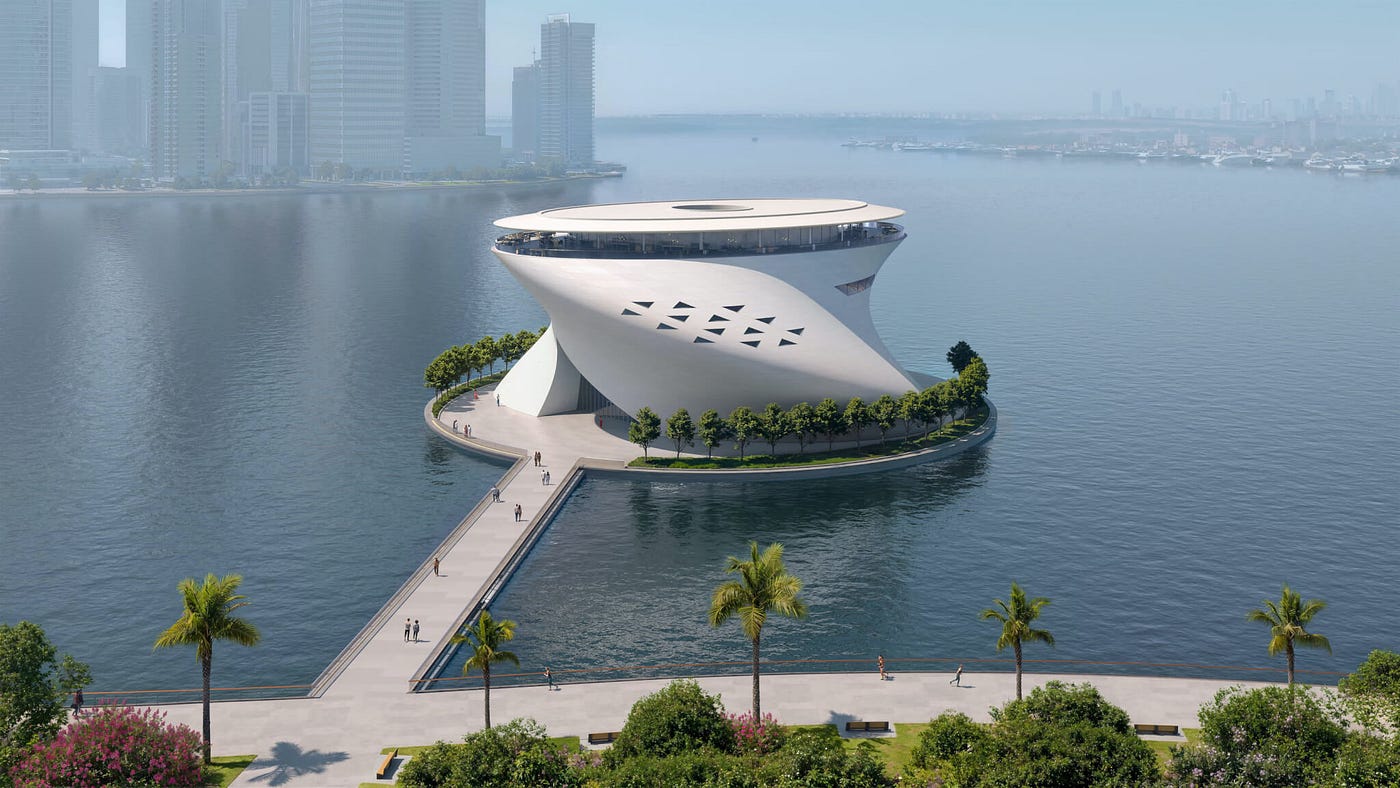
The announcement of the Dubai Museum of Art (DUMA) in October 2025 marked a watershed moment in the emirate’s cultural ambitions. This revolutionary project represents far more than a museum — it’s an architectural statement that embodies Dubai’s transformation into a global cultural powerhouse.
Tadao Ando: Master of Light and Space
The choice of Tadao Ando as architect signals Dubai’s commitment to world-class cultural infrastructure. This Pritzker Prize-winning Japanese architect, renowned for his minimalist concrete structures that harmonize with nature through masterful use of light, shadow, and spatial balance, brings credentials that include Japan’s Chichu Art Museum, the Bourse de Commerce in Paris, and the Modern Art Museum of Fort Worth.
Ando’s signature philosophy of deep integration between architecture and environment finds perfect expression in DUMA, where his vision creates “a serene dialogue between nature, water, and the human spirit, a masterpiece of restraint and emotion that embodies both ingenuity and timeless elegance.”
Architectural Poetry in Concrete and Light
DUMA’s design draws inspiration from two fundamental symbols of Dubai’s heritage: the sea and the pearl. This symbolic foundation transforms the museum into both cultural repository and architectural metaphor for Dubai’s evolution.
The museum’s curved shell encloses a circular exhibition hall representing unity, discovery, and continuity. The most striking feature is a central cylindrical opening that allows natural light to cascade through the structure, evoking the gentle shimmer of a pearl — transforming light itself into a building material that changes the museum’s atmosphere throughout the day.
Rising five stories above the water of Dubai Creek, the museum will feature:
- Adaptable exhibition galleries across the first and second floors with modular design for different artistic presentations
- Restaurant and VIP lounge on the third floor offering panoramic views of the creek
- Ground and basement levels housing a library, study rooms, and world-class training programs designed to nurture future generations of creative leaders
- Flexible spaces for artist talks, panel discussions, educational programs, and international art fairs
Cultural Mission and Strategic Vision
DUMA embodies Dubai’s vision as a global capital of the creative economy, with Sheikh Mohammed bin Rashid Al Maktoum declaring that “Culture and art are the soul of a city and a lens through which its progress is seen. They reflect its vision and the depth of its humanitarian mission. The Dubai Museum of Art will be a new beacon for the city, enhancing its arts scene and further strengthening its global cultural status.”
The museum will showcase a diverse selection of modern and contemporary art curated to reflect Dubai’s spirit and diversity. Through its exhibitions, collection, and programs, DUMA aims to bring together established and emerging voices, linking modern and contemporary art with global dialogue, using art as a catalyst for empathy, curiosity, and social transformation.
Omar Al Futtaim, Vice Chairman and CEO of the Al-Futtaim Group developing the project, positions DUMA as “more than an architectural landmark; it is a cultural statement that reflects Dubai’s openness to creativity and affirms its role in connecting cultures and celebrating talent from around the world.”
But DUMA is just one element of a comprehensive cultural strategy. Dubai Culture’s generous grant program aligns with the UAE’s Vision 2030, which aims to develop the country’s creative industries and make culture an integral part of its national identity. The initiative provides ongoing support for Emirati artists while building a foundation for sustained artistic development.
The scope of this transformation is impressive. Since its launch in 2023, the Dubai Public Art Strategy has turned the city into an open-air gallery, commissioning pieces that bring artistic expression into everyday settings. Meanwhile, established cultural venues like Alserkal Avenue continue to expand, housing over 70 contemporary art galleries, community spaces, and arts-related organizations across 500,000 square feet.
The New Geography of Global Art
Dubai’s cultural ambitions aren’t developing in isolation — they’re part of a broader transformation of the Middle Eastern art landscape that’s reshaping the global art market. The region has become the center of an art fair arms race, with Frieze launching Abu Dhabi editions starting in 2026 and Art Basel debuting in Doha, Qatar in February 2026.
This competitive dynamic reflects the region’s growing significance. Art Dubai fair director Dyala Nusseibeh notes unprecedented demand: “When I joined in 2016, we had 37 galleries. Last year, we had over 100. I actually don’t have space for all the galleries that have applied.”
The stakes extend beyond regional competition. Abu Dhabi was named the world’s wealthiest city in 2024, and the emirate has been active in the art market while building cultural infrastructure including the Louvre Abu Dhabi, the upcoming Zayed National Museum, and the long-awaited Guggenheim Abu Dhabi.
Comparing Cultural Capitals
When comparing Dubai’s approach to established art centers like Paris and London, several key differences emerge that create unique opportunities for brands:
Scale and Speed: While Paris and London have centuries of cultural development, Dubai’s compressed timeline means brands can participate in creating rather than simply joining established cultural narratives. The emirate’s rapid transformation offers front-row seats to cultural history in the making.
Integration Philosophy: Unlike the compartmentalized approach often seen in Western cultural capitals, Dubai actively blends commerce and culture. Culture extends beyond gallery walls, deliberately placed in parks, neighborhoods, and public spaces, weaving it into everyday life.
Global Connectivity: Dubai’s position as a bridge between East and West, combined with its multicultural population representing over 200 nationalities, creates unique opportunities for brands to reach diverse audiences through unified cultural experiences.
Government Support: While Western cultural institutions increasingly face funding challenges, Middle Eastern governments view culture as a strategic investment. As government funding for cultural programs decreases in Western countries, a different trend appears in the Middle East, where culture is increasingly viewed as a key driver for economic and social progress.
The New Collectors: Sophisticated, Strategic, and Global
The emergence of sophisticated Middle Eastern collectors is transforming not just regional but global art markets. These aren’t dilettante collectors seeking status symbols — they’re strategic cultural investors with deep knowledge and international networks.
Leading collectors like Sheikh Zayed bin Zayed Al Nahyan shop at regional and international fairs including Art Dubai, Abu Dhabi Art, Frieze London, and Art Basel Miami Beach, while visiting the Sharjah Biennial and Venice Biennale. Their collecting practices span multiple continents and cultural contexts, creating global networks that brands can tap into.
The sophistication of this collecting community is evident in their approaches. Cultural advisor Zaki Nusseibeh maintains an expansive collection of over 400 works spanning prints, lithographs, major paintings, and sculpture, with one of the most extensive libraries in the region featuring thousands of books in seven languages.
This collecting sophistication creates opportunities for brands to engage with highly educated, internationally connected audiences who understand and value authentic cultural experiences over superficial marketing gestures.
Art as Cultural Integration: The Strategic Advantage
For brands seeking to establish authentic presence in Dubai and the broader Middle East, art and culture offer unparalleled integration opportunities. This isn’t about sponsorship or surface-level cultural gestures — it’s about embedding brand identity within the cultural fabric of one of the world’s fastest-growing cultural ecosystems.
Why Art Works as Integration Strategy
Cultural Neutrality: Art provides a universal language that transcends cultural and linguistic barriers, allowing brands to communicate values and vision without risking cultural missteps. In Dubai’s multinational environment, this neutrality is particularly valuable.
Long-term Relationship Building: Unlike traditional advertising, cultural partnerships create lasting relationships with key community stakeholders — collectors, artists, cultural institutions, and government entities — who can provide ongoing market insights and credibility.
Authentic Storytelling: Participation in Dubai’s cultural development allows brands to tell authentic stories about growth, innovation, and cultural bridge-building that align naturally with the emirate’s narrative.
Network Effects: The interconnected nature of Dubai’s cultural community means genuine participation in one cultural initiative creates ripple effects across multiple stakeholder groups.
Strategic Approaches for Brand Integration
Artist Partnerships and Residencies: Supporting emerging and established artists through residency programs, commissions, or exhibition support creates authentic cultural credibility while providing content for brand storytelling.
Cultural Institution Collaborations: Partnering with institutions like DUMA, Jameel Arts Centre, or Alserkal Avenue galleries allows brands to associate with established cultural credibility while supporting community development.
Collector Engagement: Participating in collector dinners, gallery openings, and cultural events builds relationships with high-net-worth individuals who often serve as business leaders and cultural influencers.
Cultural Placemaking: Supporting public art initiatives or cultural programming in commercial spaces creates brand visibility while contributing to Dubai’s cultural landscape development.
The Moon Above Approach
Cultural integration requires sophisticated understanding of both artistic and commercial ecosystems. Organizations like Moon Above, with their tri-city expertise across Paris, London, and Dubai, understand how cultural strategies must adapt to different market contexts while maintaining authentic artistic integrity.
Their approach to “art as a language of identity, power and legacy” reflects the sophistication required for successful brand integration in Dubai’s cultural ecosystem. Rather than imposing external cultural models, effective integration requires understanding and contributing to Dubai’s unique cultural development trajectory.
The Competitive Advantage of Early Entry
Brands that establish authentic cultural presence in Dubai today are positioning themselves for long-term competitive advantage as the emirate’s cultural influence continues to grow. Through strategic investments in cultural tourism, Dubai has established itself as a major international hub.
Several factors make early cultural integration particularly valuable:
Market Expansion: Dubai’s growing cultural reputation attracts international visitors, collectors, and businesses, expanding potential customer bases for brands with established cultural presence.
Government Relations: Supporting Dubai’s cultural development demonstrates alignment with emirate priorities, potentially creating opportunities for broader business development.
Talent Attraction: As Dubai becomes a cultural destination, it attracts creative professionals and innovative thinkers who are often key customers or employees for forward-thinking brands.
Global Credibility: Success in Dubai’s competitive cultural environment provides credibility for expansion into other emerging cultural markets in Asia, Africa, and Latin America.
Challenges and Considerations
Cultural integration in Dubai requires navigating several important considerations:
Authenticity Requirements: Dubai’s sophisticated cultural community can quickly identify superficial cultural marketing. Successful integration requires genuine commitment to supporting cultural development rather than exploiting it for commercial gain.
Long-term Commitment: Cultural relationships develop over years, not months. Brands must be prepared for sustained investment in relationship building rather than expecting immediate commercial returns.
Cultural Sensitivity: While Dubai is cosmopolitan, successful cultural integration requires understanding and respecting local values, traditions, and sensitivities.
Quality Standards: Dubai’s cultural ambitions attract world-class artists and institutions. Brand partnerships must meet correspondingly high standards of aesthetic and cultural quality.
Future Horizons: 2030 and Beyond
Dubai’s cultural trajectory suggests several emerging opportunities for brands:
Digital Integration: Technology helps document, preserve, and promote the work being done across Dubai’s arts scene, connecting creatives with curators, collectors, and peers internationally. Brands with digital expertise can contribute to this technological evolution while building cultural relationships.
Sustainability Focus: As global attention to sustainability increases, brands supporting environmentally conscious artists and cultural practices will align with broader cultural values.
Regional Expansion: Dubai’s success as a cultural hub positions it as a launching point for broader Middle Eastern and African market expansion, with cultural credibility providing competitive advantage.
Innovation Showcasing: Dubai’s embrace of cultural innovation creates opportunities for brands to test new approaches to cultural engagement that can later be applied in other markets.
The Paris and London Perspective
Understanding Dubai’s cultural ambitions requires considering how they compare to established art capitals. Paris maintains its position through institutional strength — the Louvre, Centre Pompidou, and centuries of cultural infrastructure. London leverages its commercial art market dominance, with galleries, auction houses, and collectors creating a robust ecosystem.
Dubai’s advantage lies in its ability to combine governmental support with commercial innovation while maintaining global accessibility. Unlike Paris’s institutional formality or London’s market-driven approach, Dubai offers more flexible, experimental approaches to cultural development.
For brands, this means opportunities to participate in cultural innovation rather than simply supporting established patterns. While Paris and London partnerships often involve joining existing cultural narratives, Dubai offers the chance to help create new ones.
Conclusion: The Cultural Integration Imperative
Dubai’s transformation into an art capital represents more than regional cultural development — it signals the emergence of a new model for how cities can leverage culture for economic and social development. For brands, this creates unprecedented opportunities for authentic cultural integration that can drive long-term business value while contributing to meaningful cultural development.
The most successful brand integrations will recognize that Dubai’s cultural ambitions are serious, sophisticated, and strategic. This isn’t about cultural tourism or superficial marketing — it’s about participating in the creation of a new global cultural center.
Brands that approach this opportunity with genuine respect for cultural development, commitment to long-term relationship building, and understanding of Dubai’s unique position between East and West will find themselves positioned at the forefront of one of the world’s most dynamic cultural transformations.
The question isn’t whether Dubai will achieve its cultural ambitions — the infrastructure investment, government commitment, and growing international recognition suggest success is highly likely. The question is which brands will have the vision to participate authentically in this cultural revolution and reap the competitive advantages that come with genuine cultural integration.
As Dubai builds the art capital of tomorrow, the brands that help build it today will find themselves with cultural credibility, market access, and competitive positioning that would be impossible to achieve through traditional marketing approaches. In an increasingly connected and culturally sophisticated world, this cultural capital may prove to be the most valuable currency of all.
The transformation of Dubai into a global cultural hub offers unprecedented opportunities for brands willing to invest authentically in cultural development. Success requires understanding that this is about building relationships and contributing to cultural legacy, not exploiting cultural trends for short-term commercial gain.